
The future of marketing: how artificial intelligence is revolutionizing communication strategies
With language-model assistants, marketing work moves from drafting to directing: knowing exactly what to ask for and how to judge the result.
With language-model assistants, marketing work moves from drafting to directing: knowing exactly what to ask for and how to judge the result.
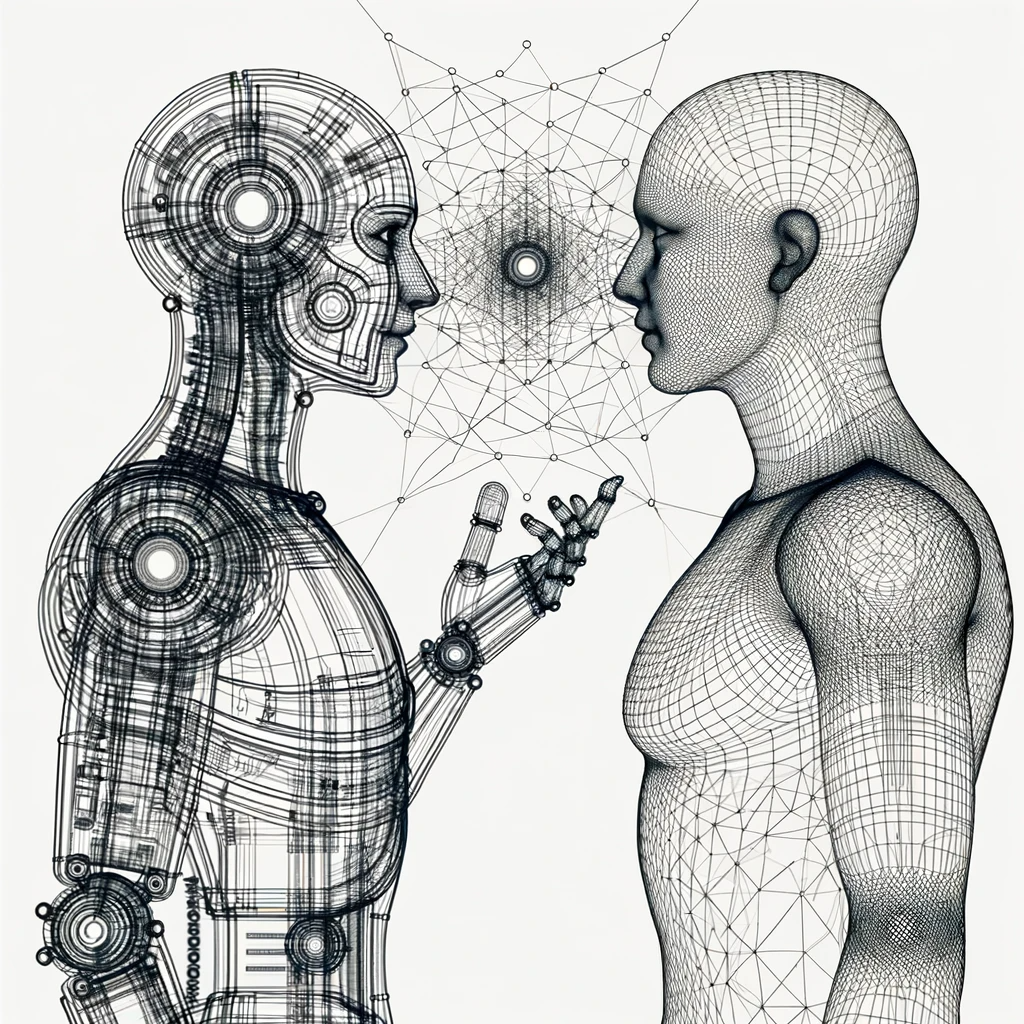
From Breazeal's social robots to today's assistants, machines are learning to read emotions, a step forward that raises questions of authenticity and privacy.

Seen through sociology, artificial intelligence grows out of existing social relations and tends to reproduce their injustices unless it is deliberately steered.

Global markets, better-informed customers and fast-moving technology make quick decisions hard: a review of the obstacles and of ways to handle them.

A three-year review of AI-assisted writing in business: which advantages held up, which promises were overstated, and what the first list left out.
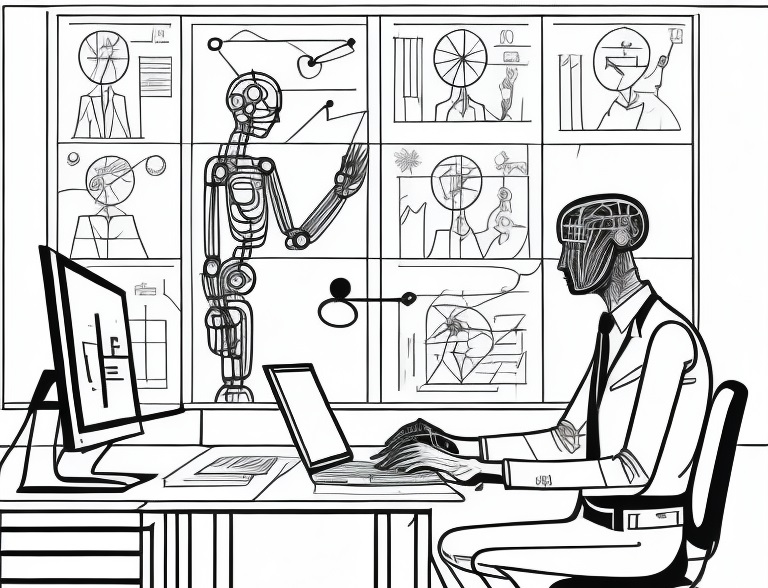
A review of what automation puts at risk for workers, with McKinsey and World Economic Forum estimates of the jobs that will change by 2030.

The need for esteem and our defense mechanisms explain why, with colleagues and staff, recognition gets more lasting results than reprimand.

From Festinger's definition to the risks of groupthink, the factors that hold a team together and practical techniques for strengthening its cohesion.

Heuristics save mental effort but skew our judgments of people: where this error comes from and how to reduce its weight in our assessments.

Written in February 2021, mid-pandemic, it describes the collective emotions of people at work and the support companies were called on to give.