AI in the accounting firm: the rules, client data, and the mistakes to avoid
AI is already in firms’ practice software and email. The rules exist, some with penalties attached: here is how to use it without the risks that can be removed.
How relationships among people who work together function, and how they break down. Cohesion, communication, deviant behavior, and ethics, grounded in research.
AI is already in firms’ practice software and email. The rules exist, some with penalties attached: here is how to use it without the risks that can be removed.
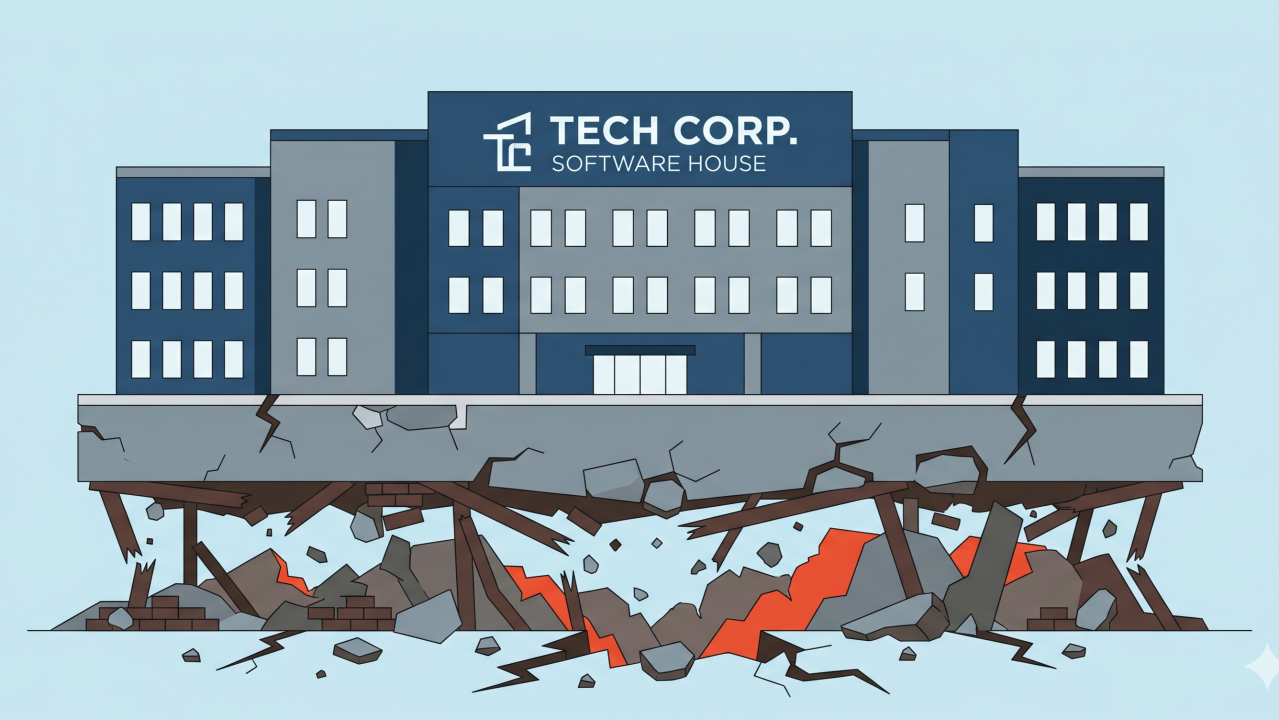
Software companies built before 2022 face a choice about business model, cost structure and pricing, not merely about which technology to adopt.
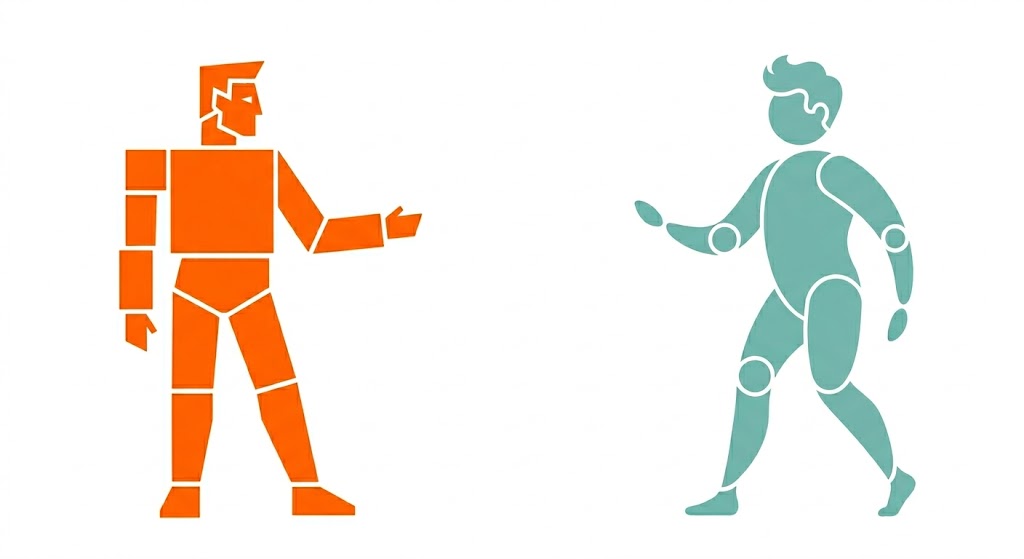
Hiring and training are not enough: moving to AI asks experienced developers to question the deterministic way they have always designed software.
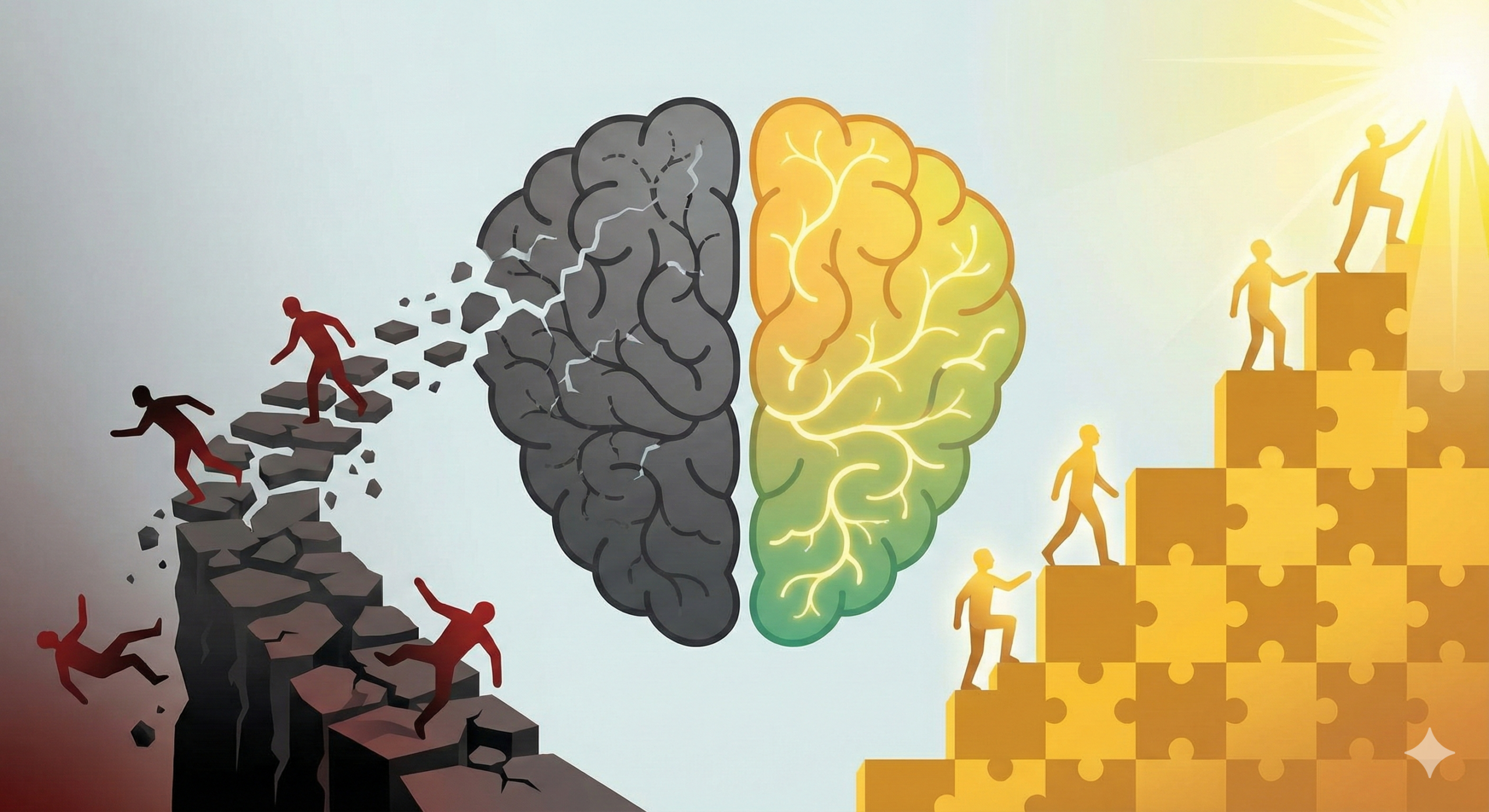
Neuroscience explains why small transgressions at work turn into habit, and how the brain supports and rewards honest choices.

From Weick onward, research describes workplace communication as the process through which an organization builds meaning, identity, trust and power.

A century of experiments, from Allport to Zajonc, shows which tasks benefit from the presence of other people and which ones suffer.
Five traits business owners should keep an eye on, because a negative environment hurts employees, customers and results in often indirect ways.
Workplace bullying harms people's health and the company's results; research points to the organizational and individual factors worth acting on.

Global markets, better-informed customers and fast-moving technology make quick decisions hard: a review of the obstacles and of ways to handle them.
A review of what automation puts at risk for workers, with McKinsey and World Economic Forum estimates of the jobs that will change by 2030.

From Festinger's definition to the risks of groupthink, the factors that hold a team together and practical techniques for strengthening its cohesion.

Heuristics save mental effort but skew our judgments of people: where this error comes from and how to reduce its weight in our assessments.

Written in February 2021, mid-pandemic, it describes the collective emotions of people at work and the support companies were called on to give.

Fear of losing outweighs the pleasure of winning: Bazerman's auction explains escalation of commitment and its effects on sales forecasts.
Reference points, probability weighting, and the value function: the model that describes how customers actually choose, applied to the sales process.
We judge coworkers we barely know by their behavior and overlook their role, until a partial picture hardens into a lasting one.
The more people notice a problem, the less likely anyone is to act: ambiguity and diffused responsibility hold back change inside organizations.

Students predicted 34 days to finish a thesis and took 55: the research on planning errors and a method for correcting project time estimates.
Job satisfaction and dissatisfaction are not opposite ends of one scale, and that changes what managers should do first to motivate their people.
From theft to absenteeism, behavior that violates organizational norms: how researchers classify it and why job dissatisfaction often comes first.
People who feel in control of events respond to praise and rewards differently from those who credit luck, which matters before you try to motivate.
In 1999 four authors declared that markets are conversations: all ninety-five theses, and what mass marketing still has not learned from them.
Work provides time structure, social contact, purpose, identity, and activity; losing these latent functions costs more than economic indicators show.
Rational model, bounded rationality, garbage can, Vroom-Yetton: how individuals and groups actually decide, and which biases pull them off course.
Only 11% of Italian employees say they are engaged: motivation theories show where to act before turning to training courses and incentives.

From Allport to Zajonc, a century of social facilitation research shows when working together pays off and why brainstorming groups so often disappoint.